

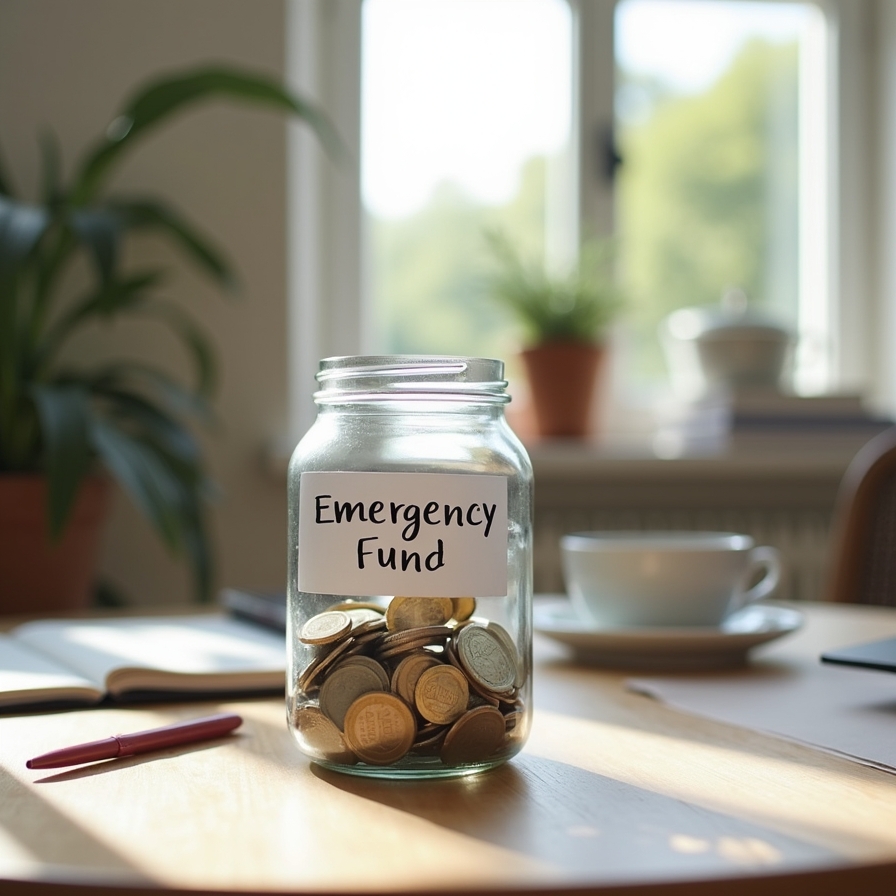
Emergency Fund for Expats: How Much to Save in Europe (2025)
Because surprise costs don’t stop just because you moved to Europe.
Building an emergency fund as an expat is one of the most important financial moves you’ll make. No matter where you live, life throws curveballs – but for expats living in Europe, financial emergencies hit harder. You might be far from family support, unfamiliar with local aid systems, or navigating bureaucracy in another language.
An emergency fund gives you breathing room—and that matters even more when you’re abroad.
Why Building an Emergency Fund is Crucial for Expats
From job loss to surprise housing fees, not all emergencies come with a warning. For expats, the stakes can be higher:
- Delays in salary transfers or international payments
- Issues with visas or residence permits that limit employment
- Medical costs before public insurance kicks in
- Emergency trips home that cost thousands in airfare
- Deposits for sudden apartment moves (often 2–3 months’ rent)
According to Eurostat, nearly 30% of households in the EU reported being unable to handle an unexpected expense in 2023—expat households are even more vulnerable, especially in the first 1–2 years. Though daunting, building an expat emergency fund doesn’t have to take years.
How Much Should Expats Save in an Emergency Fund?
The standard advice is 3–6 months’ worth of living expenses. But for expats, it helps to tweak this a bit:
- Minimum Goal: €2,000–€4,000 to cover urgent travel, legal, or medical costs.
- Ideal Target: 4–6 months of your essential expenses abroad—housing, insurance, food, and transport.
- Bonus Buffer: Add 1 month’s worth of expenses in your home country if you may need to return quickly.
In Germany, the average monthly household expenses for a couple with one child were €2,847 in 2024, according to Statistisches Bundesamt. That would put a 3-month fund at roughly €8,500. The key to a strong emergency fund is consistency and remember….don`t be too hard on yourself.
The 3-Tier Emergency Fund Strategy for Expats:
Tier 1: The Urgent Fund (€1,000-2,000)
This covers immediate emergencies like emergency medical care, last-minute flights home, or urgent visa documentation. Keep this in your checking account for instant access.
Tier 2: The Stability Fund (€4,000-6,000)
This covers 1-2 months of essential living expenses if you lose your job or face unexpected housing issues. This can stay in a high-yield savings account with same-day access.
Tier 3: The Full Safety Net (€8,000-15,000)
This is your 3-6 months of complete expenses – rent, food, insurance, utilities, transportation. This should be in a separate savings account you don’t touch unless absolutely necessary.
For example, if your monthly expenses in Berlin are €2,500, your target emergency fund would be:
– Tier 1: €2,000 (immediate access)
– Tier 2: €5,000 (1-2 months)
– Tier 3: €12,500 (5 months total)
– Total target: €19,500
Start with Tier 1, then build up to Tier 2, then Tier 3 over 12-24 months.
Where Should You Keep It?
Separate, but accessible: Use a high-interest savings account (Wise, bunq, or a separate N26 space) that doesn’t tempt you to dip into it.
Multicurrency: If your expenses or income are in multiple currencies, consider holding EUR, GBP, or USD versions.
No investment risk: Your emergency fund is not for the stock market. It needs to be liquid and stable.
How to Build It Fast (Even on a Budget)
- Start with €10–€50 per week if that’s all you can manage.
- Redirect tax refunds, bonuses, or child benefits.
- Use budgeting apps like YNAB or Revolut to auto-move funds weekly.
- Do a 30-Day No Spend Challenge (yes, we have one—grab it below).
OECD reports show that families who automate savings increase their balance by 33% over 12 months compared to manual savers.
Common Mistakes Expats Make with their Emergency Funds
1. Keeping Everything in Your Home Currency
Currency fluctuations can eat into your emergency fund value. If you live in Germany but keep everything in USD or GBP, a 10% currency swing could cost you thousands when you need it most.
2. Not Accounting for Home Country Emergencies
Many expats need to return home quickly for family emergencies. Keep at least one month’s worth of expenses in your home currency specifically for emergency flights and immediate costs upon arrival.
3. Investing Your Emergency Fund
Your emergency fund is not for the stock market. It needs to be liquid and stable – not subject to market drops when you need it urgently.
4. Using the Same Account as Daily Spending
If your emergency fund sits in your checking account, you’ll accidentally spend it. Separate it completely – different account, different bank if possible.
5. Stopping Contributions After the First Emergency
After you use your emergency fund, immediately restart contributions to rebuild it. Many expats drain it once and never refill it.
Emergency Fund vs. Regular Savings: Whats the Difference?
Your emergency fund is not the same as general savings. Here’s the distinction:
Emergency Fund = For true emergencies only:
-Job loss or income disruption
-Medical emergencies not covered by insurance
– Urgent home country travel
– Visa or legal issues requiring immediate funds
– Sudden housing costs (unexpected move, deposit)
NOT for:
– Vacations or travel
– New furniture or electronics
– Holiday gifts
– Planned home renovations
– Investing opportunities
Regular Savings = For planned goals:
– Vacation fund
– New car down payment
– Future home purchase
– Kids’ education
– Retirement contributions
Keep these completely separate. Once you fully fund your emergency account, then focus on other savings goals.
Tools We Recommend:
Download our Emergency Fund Checklist – A simple visual plan to track and hit your goal.
Try Wise or bunq – Separate your funds in multicurrency accounts.
Join the Nest & Numbers newsletter – Get budgeting tools and support from other expat parents.
Final Thoughts: Peace of Mind is Worth Saving For
Living abroad is full of unknowns. That’s part of the adventure—but your finances shouldn’t feel just as unstable.
Your emergency fund isn’t about fear—it’s about freedom. When the unexpected shows up, you’ll be ready to handle it with clarity.
Ready to start?
Download the Emergency Fund Checklist
Explore More Budgeting Resources
Frequently Asked Questions
How much should an expat keep in an emergency fund?
Aim for €2,000–€4,000 as a minimum starter fund, with an ideal target of 4–6 months of living expenses (typically €8,000-€15,000 depending on your country). Add an extra month if you might need to return home quickly.
Where should expats keep their emergency fund?
Use a high-interest savings account separate from your daily spending (Wise, bunq, or N26 Spaces work well). Consider multicurrency accounts if your income or expenses span multiple currencies.
How long does it take to build an emergency fund as an expat?
If you save €200/month, you can reach €2,400 in 12 months. Automate your savings and redirect windfalls like tax refunds or bonuses to speed it up.
Should I keep my emergency fund in euros or my home currency?
Keep it primarily in the currency you spend (euros if living in Europe), but consider holding 1-2 months’ worth in your home currency if you may need to return home for emergencies.
Can I invest my emergency fund?
No. Your emergency fund needs to be liquid and stable. It’s not for growing wealth – it’s for immediate access when emergencies happen. Keep it in savings accounts only.